 I do a bit of amateur photography. I’m not very strong technically and I don’t have particularly good equipment, but I enjoy finding interesting angles and compositions. I’ve been putting up photos on Flickr for a while to share them with friends and the public. I also have an account on Panoramio with some photos that show up in Google Earth.
No matter the particular photo site used, sharing photos online has been a great experience. I’ve had a number of encouraging comments on my photos and people have emailed me to ask if they could use a photo in a report for school or a pamphlet for their non-profit.
When I signed up with Flickr I noticed they had options to add Creative Commons licenses to photos by default. I’m more than happy to let people use my photos for noncommercial purposes, so why didn’t turn on Creative Commons licensing from the start?
Part of it was the number of options available. Creative Commons licensing allows other people to share your work but it’s not the same thing as releasing the copyright or putting photos in the public domain. You have some options: do you want people to be able to make money off your work, or do you just want it available for non-profits, educational, and personal use? Do you want people to be able to alter and remix your work or just present it as-is?
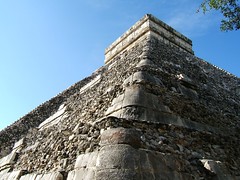 So I was a bit struck by the paradox of choice and decided to skip ahead and start uploading photos. In retrospect, that was a mistake.
There’s a great page at the Creative Commons site that explains the options. I am going to license my photos with an Attribution Non-commercial (by-nc) license. That license covers my default attitude about my amateur photography – everyone is welcome to use my photos for non-commercial purposes, so long as they give me credit. This is, of course, in addition to fair use rights that people already have.
Another important point: it doesn’t mean people can’t use it commercially, they just have to contact me and get permission. Depending on the use, I might put a price on it. And I can always sell prints or make products myself.
I might even switch over to allow commercial use as well, if I can get over my delusions of being the next Ansel Adams.
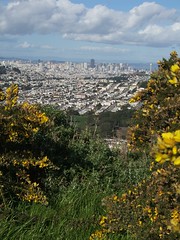 The abuse and incessant extension of copyright might not seem like a life-or-death issue, but it’s one of those issues where technology and public policy are inextricably linked. It’s like the problem of software and business method patents. There’s a great story by Spider Robinson that illustrates what happens if taken to extremes.
So take a look at the licenses and consider applying the appropriate copyleft to your work.